
Choosing the Right Cold Foil for Packaging and Labels
Different cold foil types behave differently on coated paper, on uncoated paper, and even on the same job if your press settings change. If you want fewer surprises and better consistency, it helps to choose cold foil the same way you choose paper or varnish: based on the end use, the press, and the finish you want.
Start With What You Are Printing
Before asking for a silver cold foil roll, think about the product. Is it cosmetic packaging, wine labels, a premium sticker, or a short run promo box? Each one has different priorities.
For cosmetic packaging, the foil usually needs to be smooth and bright, and the details need to be sharp because small type and fine lines are common. For food packaging, you may care more about rub resistance and stable adhesion than maximum shine. For pharmaceutical cartons, legibility and repeatability matter, and you do not want foil flaking at the fold.
If the job is a label, especially a self adhesive label, ask about how the foil holds up under die cutting and dispensing. A label that looks great on the flat sheet can crack at the edge if the foil is too brittle or if the adhesive layer is not matched to the substrate.
Match the Cold Foil to Your Substrate
The most common reason cold foil looks patchy is a mismatch between foil, adhesive, and paper.
● Coated paper usually gives better foil coverage and higher gloss. If you want that mirror look for luxury boxes, coated stock is the easier path.
● Uncoated paper can still work, but it often shows more texture. Some brands like that because it feels natural and handmade. If you want a rustic kraft look with metallic highlights, uncoated can be a design choice, not a problem.
● Film substrates like BOPP are common in label work. Here, adhesion and press settings are sensitive. You should confirm your cold foil supplier has experience with your film and your adhesive system.
Think about Finish: Bright, Matte, or Holographic
Most buyers start with standard silver, then realize they have options.
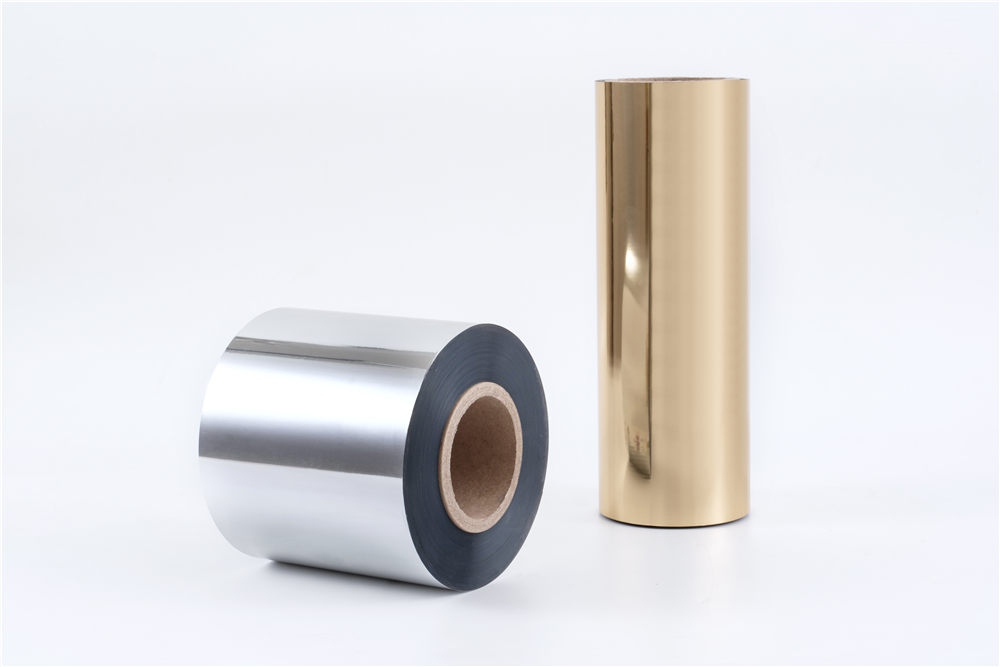
Silver cold foil is the base for many looks, and it can also be overprinted with CMYK to create metallic colors. If you want a metallic blue, you often print blue ink over silver foil rather than buying a separate blue foil.
Gold cold foil is popular for wine labels, gift boxes, and premium branding. But not all golds are the same. Some lean warm and red, others are pale. If you have a brand color to match, request a swatch book from your cold foil supplier.
Holographic cold foil is used for seasonal packaging, security effects, and attention grabbing labels. It can be great for consumer products, but it is not always the best fit for a serious luxury brand. Also, holographic patterns can exaggerate registration issues, so your press control needs to be solid.
Some projects want a softer look. Matte cold foil or satin style foil can feel more modern, especially on minimalist packaging.
Consider Your Process: Flexo or Offset Cold Foil
Cold foil can be applied in different ways, and the method affects what foil works best.
In offset cold foil printing, you often need high detail and clean edges. This is common for folding cartons and premium commercial print. In flexo cold foil, speed and web handling matter more, so the foil and adhesive must release well and still keep coverage at production speed.
If you are doing digital cold foil style effects, note that some systems still rely on similar adhesive principles, but your compatibility list will be different. Always tell the supplier your exact press model or at least the process type.
Adhesive Compatibility Matters More Than People Expect
Cold foil is not just foil. It is foil plus adhesive plus curing plus pressure. Many foil problems are really adhesive problems.
If your UV adhesive cures too much, the foil may not transfer well. If it cures too little, it may look fine at first but scratch easily. If you run a job with heavy coverage and tight halftones, adhesive viscosity and anilox selection can change the result. This is why a cold foil manufacturer who can suggest adhesive settings is worth paying for.
When you request quotes, do not only ask the cold foil price per roll. Ask what adhesive system they recommend, and whether they can support press trials. A reliable cold foil supplier will ask you questions first.
Durability: Scuff, Fold, and Post Press Steps
A carton is not finished when it comes off the press. It will be creased, folded, glued, stacked, shipped, and handled.
If your packaging has deep creases, you may need a foil that tolerates bending better, or you may need to adjust where the foil sits relative to the crease line. For labels, if the product goes into a cold chain, moisture and friction can reveal weaknesses. For luxury packaging, you might also add a protective varnish or lamination. Check if that topcoat changes the foil look. Some coatings mute the shine, some enhance it.
Also pay attention to hot environments. A foil that looks stable in the shop might change slightly after storage. If the product is shipped overseas, that matters.
Choosing a Supplier: What to Ask
There are many options in the market, from global brands to local converters. Whether you buy from a cold foil manufacturer directly or through a distributor, a few questions help:
● Do you have cold foil rolls matched for offset cold foil printing or flexo cold foil?
● Can you provide technical data, recommended UV adhesive, and curing window?
● What substrates have you tested: coated paper, uncoated paper, film substrates?
● Do you offer silver cold foil, gold cold foil, holographic cold foil, and matte options?
● What is your lead time and minimum order for cold foil rolls?
● Can you support a press trial or provide sample swatches?
Conclusion
Choosing the right cold foil is less about chasing the shiniest finish and more about matching the foil to your substrate, printing process, adhesive system, and how the product will be used after printing. Start with the application, test on the real material, and work with a cold foil supplier who can support settings and troubleshooting. Do that, and cold foil becomes a repeatable tool for premium packaging, labels, and eye catching brand details.